

The Cerrado as a Blueprint for a Sustainable Future.
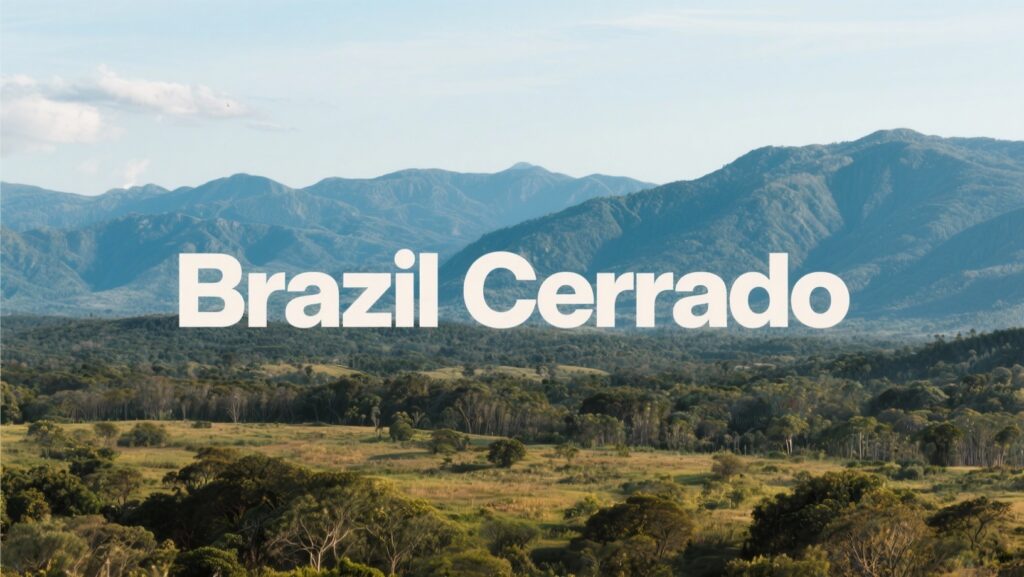
When Bill Gates speaks, the world listens. When he repeatedly invests his time, capital, and influence in a single country, it is a signal of global significance. His recent engagements in Brazil represent more than a diplomatic visit; they are a powerful endorsement of the nation’s potential to solve the dual challenge of our century: feeding a growing population while reversing environmental degradation.
Through his public statements and investments, Gates has articulated a vision that moves beyond polarized debates. He views Brazil as a living laboratory where the solutions to the world’s most pressing problems are taking root today.

The “Brazilian Agricultural Miracle”
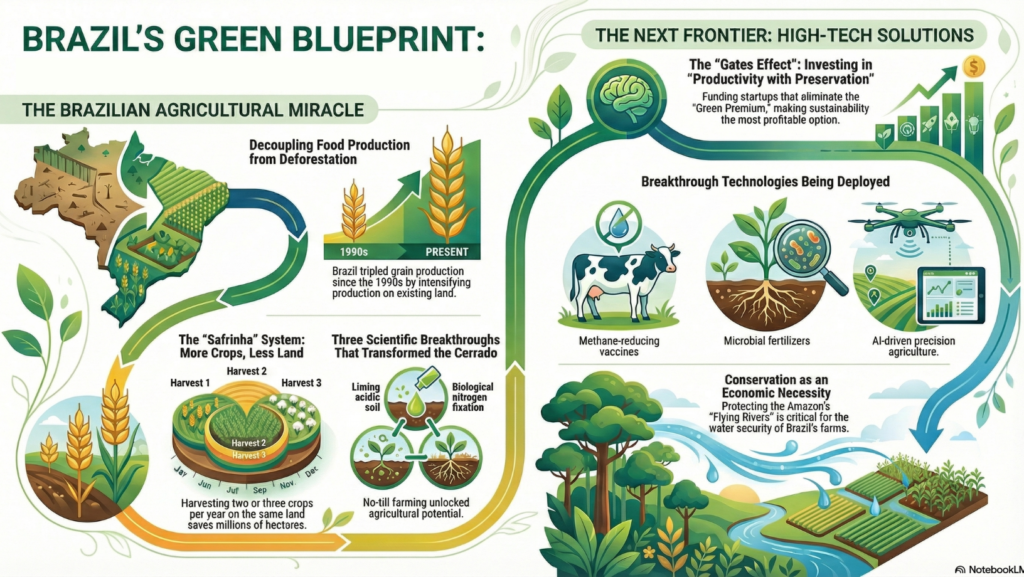
At the core of the Gates perspective is the “Brazilian agricultural miracle.” This is not merely about volume—though Brazil is a global powerhouse—but about decoupling productivity from land use. For decades, the global narrative suggested that more food required more deforestation. Brazil is proving that narrative obsolete by demonstrating that we can intensify production on existing land rather than expanding into virgin forests.
Gates highlights the work of Embrapa (the Brazilian Agricultural Research Corporation) as a gold standard for innovation. By transforming the acidic, nutrient-poor soils of the Cerrado into fertile ground through sophisticated soil science and tropicalized crop variants, Brazil has tripled grain production since the 1990s while using only a fraction of its available land.
This miracle was not an accident of nature, but a triumph of human ingenuity. It relied on three scientific breakthroughs:
- Liming and Fertilization: Scientists discovered how to neutralize the Cerrado’s soil acidity, unlocking its potential to hold nutrients.
- Biological Nitrogen Fixation: Reducing the need for chemical fertilizers by using bacteria that help plants “breathe” nitrogen from the air.
- No-Till Revolution: A technique where seeds are planted directly into the remains of the previous crop, preventing erosion and keeping carbon trapped in the soil.
For Gates, this isn’t just a success story for South America; it is a scalable blueprint for the “Green Revolution” that Africa and Southeast Asia desperately need to achieve food security in a warming world.
Key Pillars of the Cerrado Transformation:
- No-Till Farming: Preserving soil health and moisture.
- Genetic Adaptation: Creating soybean and corn varieties specifically for tropical climates.
- Carbon Sequestration: Utilizing Integrated Crop-Livestock-Forestry (ICLF) systems to capture carbon while raising cattle.
- Beyond these technical applications, the transformation is defined by its focus on “Double-Cropping” or the “Safrinha” system. By leveraging the tropical climate and adapted seeds, Brazilian farmers can now harvest two, or even three, crops per year on the same piece of land. This intensity of production acts as a “land-saving” mechanism; if the rest of the world’s agricultural regions achieved the same land-use efficiency as the modern Cerrado, we could theoretically return millions of hectares of marginal farmland back to nature without sacrificing global food security.
- Furthermore, the Cerrado’s evolution has moved into a digital and biological frontier. The shift away from heavy chemical dependence toward “Biologicals”—natural pesticides and growth stimulants derived from local microorganisms—is a cornerstone of the Gates-backed vision. These bio-inputs not only lower costs for farmers but also prevent the nitrogen runoff that creates “dead zones” in our oceans. This biological revolution ensures that the soil remains a living, regenerative asset rather than a depleted medium that requires constant chemical intervention.
- Finally, the focus on Carbon-Neutral Livestock represents the next great hurdle in the Brazilian model. By integrating cattle with forested areas (the ICLF system), the shade improves animal welfare and weight gain, while the trees offset the methane produced by the herd. Gates has frequently pointed out that if “cattle were a country, they would be the third-largest emitter of greenhouse gases.” Brazil’s work in developing low-carbon beef is perhaps the most critical experiment on the planet for proving that high-protein diets and a healthy climate can, in fact, coexist.
The “Gates Effect”: Investing in Agri-Tech
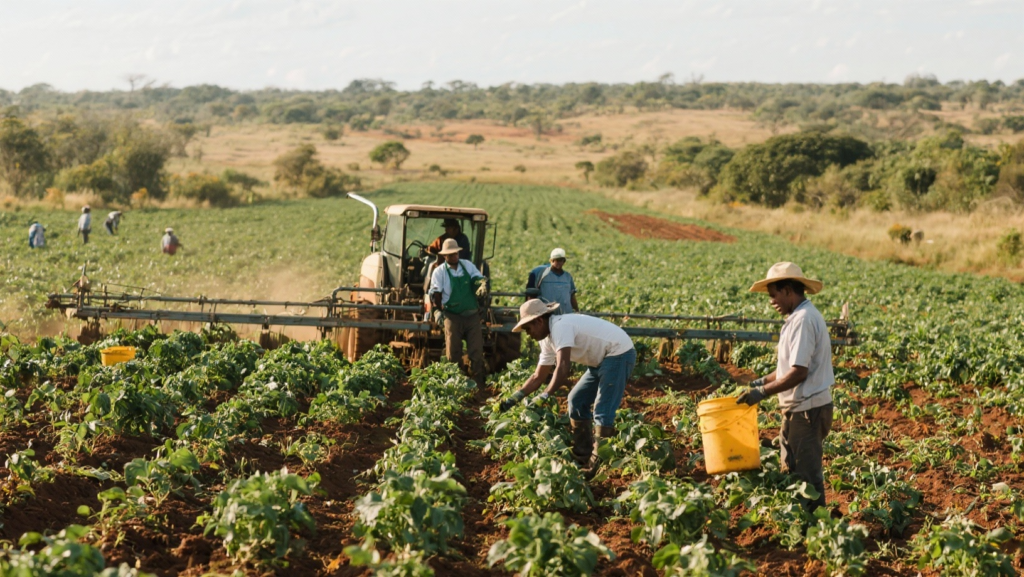
Bill Gates is a catalyst for change through Breakthrough Energy Ventures (BEV). His presence underscores a shift from traditional aid to high-tech investment. Gates advocates for “Productivity with Preservation,” funding startups that allow farmers to do more with less.
This investment strategy is rooted in the concept of the “Green Premium”—the additional cost of choosing a clean technology over one that emits greenhouse gases. In the Cerrado, Gates is targeting technologies that eliminate this premium, making sustainable farming not just the ethical choice, but the most profitable one. By backing ventures that reduce emissions while increasing yields, he is proving that environmental stewardship can be a primary driver of economic growth.
A prime example of this “Productivity with Preservation” model is the investment in ArkeaBio, a startup developing a vaccine to reduce methane emissions from livestock. Given that Brazil manages one of the world’s largest commercial cattle herds, a scalable, low-cost solution like a vaccine could do more to lower the nation’s carbon footprint than almost any other single intervention. This “biotech-first” approach treats climate change as a problem of chemistry and biology that can be solved with the right laboratory breakthroughs.
Gates is also betting heavily on the “Microbial Revolution.” Companies like Pivot Bio, which are increasingly active in the Latin American market, are creating microbial nitrogen fertilizers. Unlike traditional synthetic fertilizers, which are energy-intensive to produce and often leak into local waterways, these microbes adhere directly to the roots of crops like corn. They draw nitrogen from the air and deliver it to the plant in real-time, effectively turning the crop itself into a self-fertilizing engine.
Furthermore, the Gates influence extends to “Green Industrialization” within the agricultural supply chain. His support for companies like Boston Metal, which recently opened a facility in Brazil, demonstrates a vision where the infrastructure supporting agriculture—from the steel used in silos to the machinery in the fields—is also decarbonized. By creating a localized ecosystem of high-tech manufacturing, Gates is helping Brazil move beyond being a mere exporter of raw commodities to becoming a hub for green technology production.
Finally, this “Gates Effect” is characterized by a long-term commitment to “Global Public Goods.” Through initiatives like Gates Ag One, the innovations developed for large-scale Brazilian farms are being adapted for smallholder farmers in Africa and South Asia. This ensures that the high-tech “miracle” of the Cerrado doesn’t remain an elite luxury but becomes a universal toolkit. By treating agricultural data and genetic advancements as shared assets, Gates is using Brazil as the launchpad for a global movement to end hunger without breaking the planet’s ecological limits.
The Future of the Green Field:
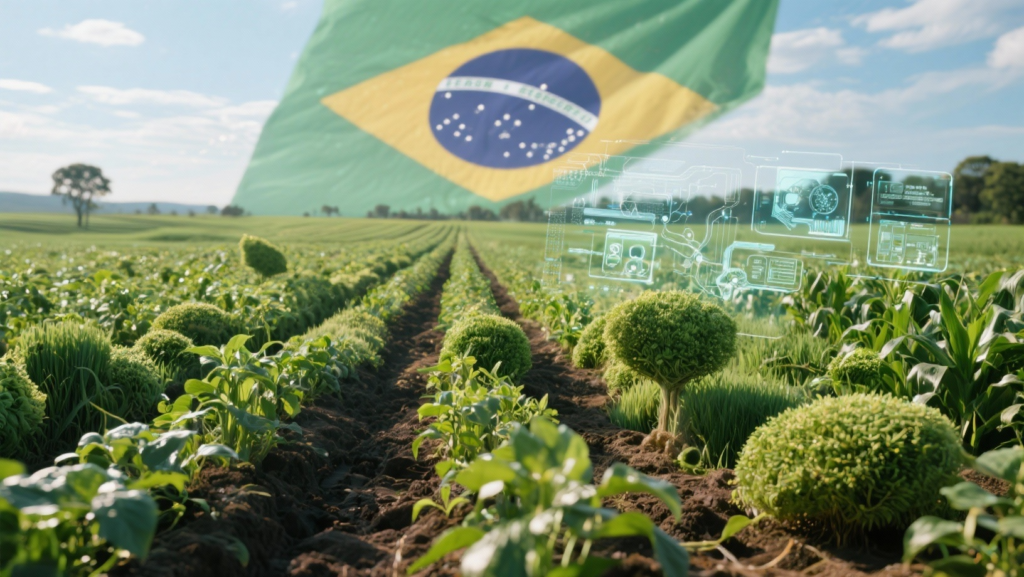
- The digital and biological evolution of the Brazilian field represents the next frontier of the “Agricultural Miracle,” moving from mechanical efficiency to molecular precision. At the heart of this transition is Precision Agriculture, which leverages a sophisticated ecosystem of AI-driven analytics and real-time sensor networks. Unlike traditional farming, which often applies water and chemicals uniformly across vast tracts of land, this new model uses satellite imagery and “Smart Sprayers” to identify individual weeds or nutrient deficiencies. By treating the field as a collection of unique data points rather than a single unit, producers can reduce pesticide and fertilizer use by up to 30%, preventing the chemical runoff that traditionally threatens local river systems and biodiversity.
- Equally transformative is the rise of Biologicals, a sector where Brazil is quickly becoming a global leader. By tapping into the immense microbial diversity of its own biomes, Brazilian scientists are developing “living fertilizers.” These microorganisms, such as those used in Biological Nitrogen Fixation, allow crops to pull essential nutrients directly from the atmosphere, effectively turning the plants into self-sustaining engines. This reduces the “Green Premium”—the high cost and carbon footprint associated with manufacturing synthetic, fossil-fuel-based fertilizers—while simultaneously restoring the microbial health of the soil.
- Finally, the challenge of Methane Reduction is being met with breakthrough biotechnology. With the help of investments from funds like Breakthrough Energy Ventures, startups are developing specialized feed additives and even “methane vaccines” that target the digestive processes of cattle. These innovations aim to neutralize the enteric fermentation responsible for a significant portion of global greenhouse gas emissions. For a nation with a cattle herd exceeding 200 million head, these additives are not just a climate tool; they are an economic safeguard, ensuring that Brazilian beef remains competitive in a global market that increasingly demands a transparent and low-carbon footprint.
- For more information on these specific technological breakthroughs and their global impact, you can visit the official Gates Notes for Bill Gates’ latest insights on agricultural innovation or explore Embrapa’s research portal to see how these models are being exported to other tropical nations.
Brazil Gree Blueprint Concept
The Pragmatic View on Deforestation
The Pragmatic View on Deforestation
Gates remains characteristically direct regarding the Amazon and Cerrado biomes. He frames conservation not just as a moral duty, but as an economic necessity. He argues that Brazil’s agricultural success is tethered to its forests. The Amazon acts as a “biotic pump,” regulating the rainfall patterns that the Cerrado depends on. Without the forest, the water security of Brazil’s breadbasket vanishes. Furthermore, in a global market where “sustainability is currency,” Gates warns that environmental degradation is an existential threat to Brazil’s export economy.
This hydrological connection is often referred to as the “Flying Rivers” phenomenon. The Amazon Rainforest recycles massive amounts of moisture into the atmosphere, which trade winds then carry south to irrigate the fertile plains of the Cerrado and Southern Brazil. Gates emphasizes that treating the Amazon and the Cerrado as separate issues is a scientific error; they are a singular, interconnected climate system. If the Amazon reaches its “tipping point”—drying out into a savannah due to excessive clearing—the rainfall that powers Brazil’s hydroelectric dams and waters its soy fields could drop precipitously, turning the agricultural miracle into a dust bowl.
Beyond the science, the geopolitical market pressures are intensifying. The European Union and other major trading blocs are implementing strict deforestation-free supply chain regulations (such as the EUDR), which prohibit the import of commodities grown on recently cleared land. Gates points out that for Brazilian agribusiness to maintain its dominance, it must provide irrefutable proof of environmental compliance. In this context, conservation is no longer an obstacle to profit; it is the “price of admission” to the world’s most lucrative markets. Brazilian farmers who adopt zero-deforestation practices are essentially future-proofing their businesses against a shifting global regulatory landscape.
Finally, Gates sees technology as the ultimate arbiter in this conflict. The era of deforestation happening in the dark is over. With the advent of high-resolution satellite monitoring and AI-driven platforms like MapBiomas, it is now possible to track land-use changes in near real-time. Gates advocates for using these digital tools not just for enforcement, but for differentiation. By creating transparent, blockchain-verified supply chains, Brazil can isolate illegal deforesters while rewarding the law-abiding majority of farmers with better financing rates and premium market access, effectively using market forces to police the frontier.
Brazil as a Global Teacher
Brazil as a Global Teacher: Exporting a Model of Innovation
Perhaps the most profound element of Gates’s vision is his view of Brazil not just as a producer, but as a teacher. The technologies, farming practices, and policy frameworks developed in the Cerrado are a global public good, particularly for nations in Africa and Southeast Asia that share similar tropical climates.
Gates argues that the agricultural models of the Global North (US and Europe) are ill-suited for the tropical belt. Temperate farming techniques often fail in the acidic, heat-stressed soils of the equator. This is where Brazil becomes indispensable. By sharing its “tropicalized” blueprints—specifically the genetic improvements of crops and the management of acidic soils—Brazil can transition from a regional leader to a global architect of food sovereignty. This exchange is the bedrock of South-South Cooperation, a strategy that bypasses traditional Western aid models in favor of direct peer-to-peer technology transfer between developing nations.
This vision is being operationalized through initiatives like Gates Ag One, a non-profit subsidiary of the Gates Foundation. Its mission is to accelerate the translation of scientific breakthroughs—like those achieved by Embrapa—into practical tools for smallholder farmers in Sub-Saharan Africa and South Asia. The goal is to replicate the “Cerrado Effect” in places like the African Savanna, where the land is plentiful but productivity remains low due to a lack of adapted technology.
Furthermore, the “Brazil-Africa Dialogue” has gained renewed momentum, with institutions like Embrapa actively partnering with the Inter-American Institute for Cooperation on Agriculture (IICA) to export the “Tropical Agriculture Revolution.” These partnerships focus on adapting specific Brazilian successes—such as the “Safrinha” (second crop) cycle and biological nitrogen fixation—to African contexts, offering a path to end hunger that relies on science rather than endless charitable aid.
Point of view: A Call to Action
Bill Gates’s revelations about Brazil are ultimately a story of cautious optimism. He has looked at the data, walked the fields, and met the innovators, concluding that Brazil holds a unique key to our collective global future. His trip was a powerful vote of confidence in Brazilian science and entrepreneurship, reframing the international conversation from one focused solely on crisis to one that celebrates scalable solutions.
However, this optimism is not a guarantee of success; it is a call to action. The path forward requires a relentless commitment to science-based agriculture and the uncompromising enforcement of environmental laws to protect vital biomes. To maintain this momentum, Brazil must bridge the gap between high-tech “miracles” and the average producer, ensuring that sustainable innovations reach smallholder farmers and large-scale agro-industries alike.
The “Blueprint for the Cerrado” serves as a warning as much as a guide: if Brazil fails to protect the very biodiversity that fuels its innovation, it risks losing its competitive edge and its environmental soul. The world is no longer just watching Brazil’s potential; it is waiting for Brazil to lead. If the nation can successfully balance its agricultural might with its role as a global environmental steward, it won’t just be feeding the world—it will be teaching the world how to survive. As Bill Gates has made clear, that future is not a distant dream; it is being written today in the fields of the Brazilian Cerrado.
Sources for Further Reading
- The Gates Notes: Bill Gates’ Personal Blog – Search for “Brazil” and “Energy” for his direct reflections on his visits and BEV investments.
- Embrapa Official Portal: embrapa.br – Data on the “Brazilian Agricultural Miracle” and tropical soil science.
- Breakthrough Energy Ventures: breakthroughenergy.org – Information on the types of agri-tech and carbon-reduction startups Gates supports.
- The World Bank: “Brazil’s Agriculture Miracle” reports regarding the historical shift in Cerrado productivity.
- Nature Food/Science Journals: Search for “Integrated Crop-Livestock-Forestry (ICLF) systems Brazil” for peer-reviewed data on carbon sequestration in the Cerrado.